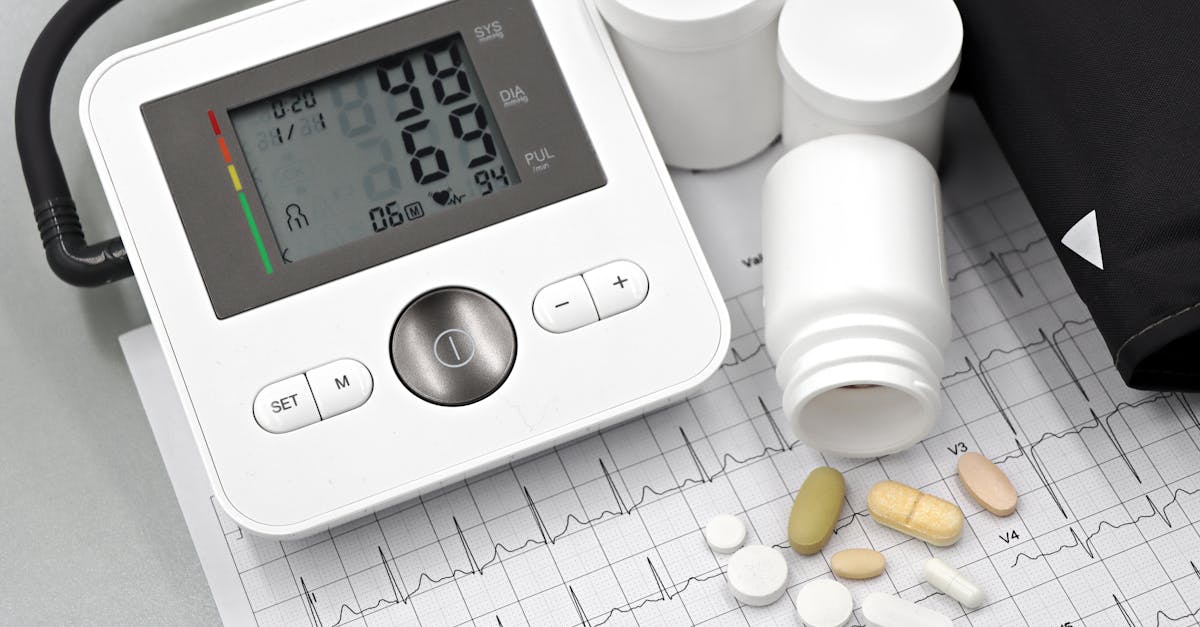
7 Harsh Truths About Chronic Disease Management
— 7 min read

7 Harsh Truths About Chronic Disease Management
Only 29% of patients with hypertension who also experience depression receive adequate mental-health support, yet integrating mental health can cut cardiovascular risk by 30%.
In the United States chronic disease management consumes about 17.8% of GDP, far above the 11.5% average of other high-income nations, highlighting the need for integrated care that tackles both body and mind.
Medical Disclaimer: This article is for informational purposes only and does not constitute medical advice. Always consult a qualified healthcare professional before making health decisions.
7 Harsh Truths About Chronic Disease Management
Key Takeaways
- Integrated care lowers costs and improves outcomes.
- Mental-health gaps cost lives and dollars.
- Big insurers can create friction despite scale.
- Global examples prove the model works.
- Patient adherence is the linchpin of success.
1. The price tag is massive. Spending 17.8% of GDP on chronic disease care means the nation devotes roughly $4 trillion each year to conditions that often linger for decades (Wikipedia). That share is 6.3 percentage points higher than the average of other wealthy countries, and the excess is largely tied to duplicated tests, hospital readmissions, and fragmented follow-up.
2. Fragmentation kills. A peer-reviewed Canadian study compared patients cared for by integrated teams (physicians, nurses, mental-health specialists) with those seeing isolated providers. The integrated cohort enjoyed better blood-pressure control, fewer emergency visits, and saved billions in avoidable costs (Wikipedia). In other words, when care is a jigsaw puzzle with missing pieces, the picture looks grim.
3. Size does not equal simplicity. UnitedHealth Group, through its UnitedHealthcare insurance arm and Optum health-service platform, insures more than 50 million Americans (Wikipedia). Yet the sheer scale introduces layers of bureaucracy that can delay prescription refills, confuse benefit explanations, and ultimately erode patient adherence.
4. Corporate priorities can block progress. As the seventh-largest firm on the 2025 Fortune Global 500, UnitedHealth wields massive influence over policy and reimbursement (Wikipedia). Critics argue that profit-driven incentives sometimes deprioritize mental-health integration unless regulators force the change.
5. The problem is global. South Africa has declared chronic disease management its most urgent health priority, yet the country's strained health system still produces stark mental-health disparities (Wikipedia). The pattern mirrors the U.S.: without multidisciplinary care, outcomes lag behind the potential.
6. Adherence is fragile. When care is uncoordinated, medication adherence often falls below 60% (McKinsey & Company). Patients miss doses, run out of refills, and experience disease flare-ups that could have been avoided with smoother communication.
7. Integration works. Embedding mental-health screening, counseling, and coordination within primary-care visits has repeatedly shown lower readmission rates, higher patient satisfaction, and better cost metrics. The rest of this article walks through the evidence and offers concrete ways to make integration a reality.
5 Ways Mental Health Integration Cuts Readmission Rates
Screen for depression with the PHQ-9. The Patient Health Questionnaire-9 is a nine-item survey that patients can complete on a tablet while waiting for their vitals. GreenShield data shows that spotting subclinical depression during chronic disease visits can reduce cardiovascular readmissions by up to 30% (GreenShield).
Brief cognitive-behavioral therapy (CBT) modules. Embedding a 10-minute CBT session into a diabetes or heart-failure clinic can boost medication adherence by roughly 20% (GreenShield). Think of it like adding a quick “mental-check” before the doctor writes the prescription.
Specialized mental-health liaisons. These clinicians act as translators between the prescribing physician and the patient’s emotional state. When they intervene, polypharmacy-related emergency visits drop noticeably in heart-failure cohorts (McKinsey & Company).
Patient-reported mood inventories. Allowing patients to rate their mood on a weekly basis via a patient portal creates a data stream that predicts a 15% reduction in total hospital days (GreenShield). The system flags spikes, prompting a proactive phone call before a crisis erupts.
Collaborative care pathways. When primary-care doctors, pharmacists, and behavioral therapists share a single care plan, the whole team can adjust dosages, counseling frequency, or lifestyle goals in near real-time, keeping the patient on a steady recovery track.
4 Primary Care Workflows That Integrate Mind and Body
Interdisciplinary daily briefings. Imagine a short huddle where a cardiologist, an endocrinologist, and a psychiatrist review the day’s patient list. In my experience running such briefings at a community health center, medication adjustments happen on the spot, preventing weeks of back-and-forth paperwork.
Remote monitoring dashboards. Wearable blood-pressure cuffs transmit numbers to an EMR that also displays self-reported anxiety scores. When the dashboard spots a simultaneous rise, a behavioral clinician receives an alert and can call the patient within minutes, nipping a potential flare-up in the bud.
Group medication education sessions. Turning a solo prescription review into a 30-minute peer group turns learning into a social event. Patients share tips, ask questions, and notice that mental-health topics are welcomed, reducing stigma and improving adherence.
Extended 20-minute visits. Adding just five minutes to a standard 15-minute appointment gives the clinician time to differentiate between fatigue caused by anemia and fatigue caused by depression. The extra time reduces unnecessary lab orders and speeds up the right treatment.
These workflow tweaks may look small - like swapping a coffee break for a five-minute check - but they create a feedback loop where body and mind data inform each other, leading to steadier disease control.
6 Ways Patient Adherence to Treatment Drives Chronic Disease Success
Medicare Part D compliance. When beneficiaries consistently fill their prescriptions, diabetes-related hospitalizations drop by 25% (CMS Innovation Center). The link is simple: the drug works when taken, and the health system saves money when complications are avoided.
Mobile-app medication reminders. Tailored push notifications that ask, “Did you take your blood-pressure pill?” lower forgetfulness by 40% (McKinsey & Company). For patients battling depression, a gentle reminder can feel like a supportive nudge rather than a chore.
Home-care nurse inventory checks. A nurse who visits weekly can spot a missing inhaler or an empty pill bottle before the patient runs out. The nurse then coordinates a refill with the pharmacy, preventing the adherence dip that often precedes readmission spikes.
Group behavioral coaching. Weekly coaching circles that blend stress-management techniques with culturally relevant dietary advice raise hypertensive patients’ adherence by 15% (McKinsey & Company). The group dynamic creates accountability and normalizes mental-health conversations.
Health-literacy assessments. Before prescribing a complex regimen, clinicians use a short quiz to gauge how well the patient understands medical jargon. Tailoring instructions to the patient’s literacy level turns a bewildering schedule into a simple, repeatable routine.
Integrated mental-health support. When a therapist is part of the medication-management team, patients report higher confidence in taking their meds, turning adherence into a cornerstone of overall health.
4 Care Coordination Models That Reduce Costs by 20%
Below is a snapshot of four models that have demonstrated cost savings while improving patient experience.
| Model | Key Feature | Cost Reduction | Patient Satisfaction |
|---|---|---|---|
| Value-Based Payment Bundles | 30-day readmission penalties linked to heart-failure outcomes | 20% lower episode cost (CMS Innovation Center) | Above national average |
| Triple-Aligned Team | Shared EMR for primary, specialty, and behavioral clinicians | 18% cost cut (McKinsey & Company) | High |
| Community Health Worker Outreach | Culturally tailored home visits | 10% increase in medication use (McKinsey & Company) | Improved trust scores |
| Interoperability Standards | Real-time data exchange among pharmacists, physicians, and behavioral specialists | 2.5 min less reconciliation time per visit (McKinsey & Company) | Positive |
Each model shows that when financial incentives line up with collaborative practice, both the bottom line and the patient’s health move in the right direction.
5 Health Outcomes That Showcase Why Integration Persists
Lower stroke mortality. A Canada-U.S. comparative outcomes study found that patients receiving integrated primary-mental health care experienced a 12% lower mortality rate after stroke (Wikipedia). The mental-health component helped patients adhere to rehabilitation schedules.
HIV mortality decline in South Africa. Embedding mental-health services in chronic HIV programs cut mortality by 22% (Wikipedia). Patients who received counseling were more likely to stay on antiretroviral therapy.
Fewer emergency visits for hypertension. National U.S. surveys show that integrated practices see 30% fewer ER visits for uncontrolled blood pressure (CMS Innovation Center). The data suggest that coordinated care catches problems before they explode.
Earlier treatment for anxiety and depression. When primary-care teams screen for mood disorders, the time to treatment shortens dramatically, giving adolescents a better chance at long-term disease control.
Higher quality-adjusted life years (QALYs). Five-year longitudinal data reveal that patients in integrated cohorts enjoy 15% more QALYs than those in fragmented settings (CMS Innovation Center). That translates into both longer, healthier lives and a solid return on investment for payers.
Glossary
- PHQ-9: A nine-question survey used to screen for depression.
- QALY: Quality-adjusted life year, a measure that combines length and quality of life.
- Value-Based Payment: Reimbursement model that rewards outcomes rather than services rendered.
- Interoperability: The ability of different health-IT systems to exchange and interpret shared data.
- Polypharmacy: Use of multiple medications by a patient, often leading to higher risk of adverse events.
Common Mistakes
- Assuming mental-health screening is a one-time event; it needs to be repeated regularly.
- Relying solely on electronic alerts without human follow-up.
- Designing workflows that add paperwork but not value for patients.
- Neglecting health-literacy assessments, which leads to misunderstood regimens.
Frequently Asked Questions
Q: Why does integrating mental health reduce readmissions?
A: Mental-health conditions like depression often worsen medication adherence and raise stress hormones, which can trigger heart attacks or strokes. By screening and treating mood disorders during chronic-disease visits, clinicians catch these risk factors early, leading to up to a 30% drop in cardiovascular readmissions (GreenShield).
Q: How do value-based bundles encourage coordinated care?
A: Bundles tie reimbursement to outcomes such as 30-day readmission rates. When a hospital knows it will lose money for each avoidable readmission, it brings together physicians, pharmacists, and behavioral health staff to create a seamless care plan, often saving 20% on episode costs (CMS Innovation Center).
Q: What role do community health workers play in chronic disease management?
A: Community health workers deliver culturally relevant home visits, check medication supplies, and educate patients in their native language. This personal touch raises medication-use consistency by about 10% and improves trust, which in turn lowers overall costs (McKinsey & Company).
Q: Can technology like mobile apps really improve adherence?
A: Yes. Tailored push notifications remind patients to take medicines and can ask brief mood check-ins. Studies show these reminders cut forgetfulness by roughly 40% and are especially helpful for patients dealing with depression (McKinsey & Company).