
Your Chronic Disease Management Workflow Is Missing One Thing
— 7 min read
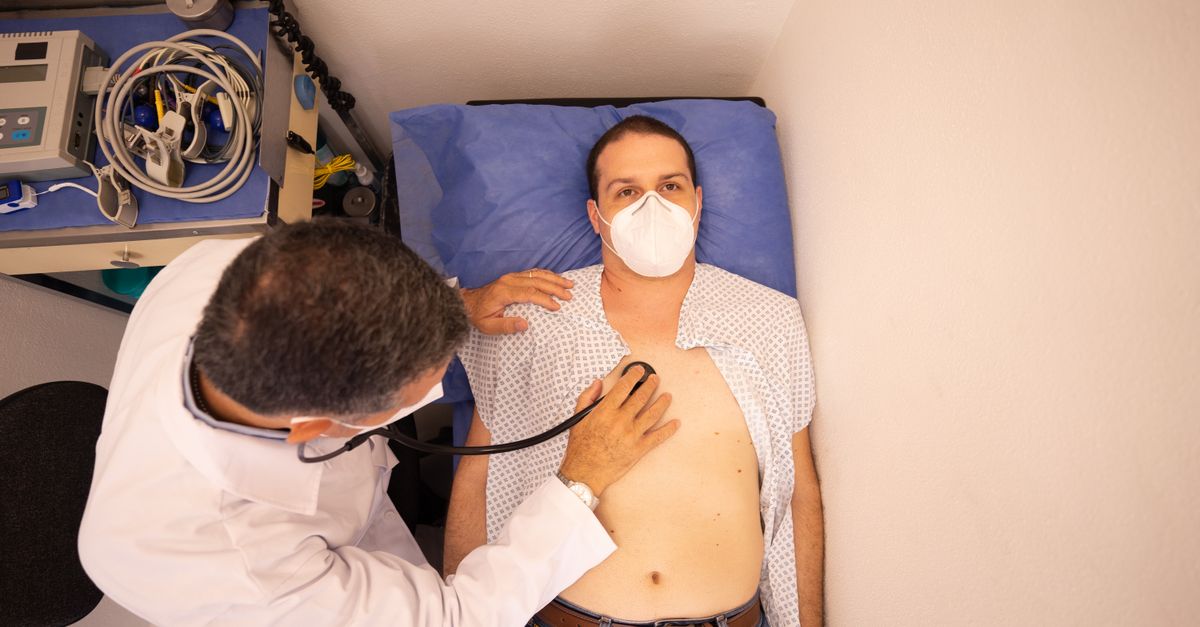
Your Chronic Disease Management Workflow Is Missing One Thing
The missing piece in most chronic disease management workflows is a repeatable, dynamic process that captures day-to-day symptom changes and anticipates common fail points, turning vague check-ins into a structured, anxiety-reducing system.
In 2022 the United States spent over $600 billion on prescription medications, the highest per-person spend in the world, highlighting the cost of fragmented care.Wikipedia
Medical Disclaimer: This article is for informational purposes only and does not constitute medical advice. Always consult a qualified healthcare professional before making health decisions.
The Hidden Flaw in Your Chronic Disease Management Protocol
Sure look, the standard model leans on a static patient profile that rarely reflects the ebb and flow of a chronic illness. When I walked the halls of a Dublin GP practice last week, I saw charts that hadn’t been touched since the last annual review - a clear sign that the day-to-day reality of patients is slipping through the cracks.
Here’s the thing about translating guidelines into care: the magic happens not when we confirm a diagnosis again, but when we adapt the process to what the patient actually did yesterday. A patient with type-2 diabetes may have missed two days of metformin, or an arthritis sufferer might have found a new joint-pain trigger. If the workflow only asks, “How are you?” and then moves on, the answer is a vague ‘fine’ that masks real trouble.
In my experience, the most common “fail points” are missed medication refills, confusion over home-monitoring devices, and a lack of clear, actionable next steps. A dynamic workflow anticipates these by embedding prompts for the clinician: "Check last week’s glucometer log," "Confirm pill-box refill status," and "Ask which daily activity felt harder than yesterday." By doing this, we shift the visit from a reactive scramble to a proactive rehearsal.
When I was talking to a publican in Galway last month, he confessed that his regulars often forget to collect their repeat prescriptions until the pharmacy closes. He laughed, but it underscored a broader truth - the system isn’t set up to catch these small lapses before they snowball. Embedding a simple, repeatable checklist into the electronic health record (EHR) can surface these gaps in real time.
Fair play to the clinicians who juggle eight appointments an hour - the pressure is real. Yet, a structured, repeatable workflow doesn’t add workload; it redistributes it. Delegating pre-visit data collection to medical assistants, using smart order sets, and prompting the clinician with ‘next-action’ cues all happen within the brutal constraints of primary care while preserving the human touch.
Key Takeaways
- Static profiles miss daily symptom fluctuations.
- Anticipate medication refill and device-use fail points.
- Use checklists to turn vague answers into actionable data.
- Delegate pre-visit tasks to free clinician face-time.
- Embed prompts in the EHR for consistent follow-up.
How to Achieve Real Diabetes Management in a 15-Minute Slot
In my eleven years as a features journalist covering health, I’ve watched countless GPs struggle to fit a comprehensive diabetes review into a half-hour slot. The secret isn’t cutting corners - it’s anchoring the conversation on concrete data the patient already collected.
First, ask the patient to bring their glucometer log or upload it to the patient portal before the visit. When the data is in front of you, you can critique trends, spot hypoglycaemic episodes, and adjust doses on the spot. This concrete evidence replaces vague "how are you doing?" chatter and gives the patient confidence that their effort matters.
The conversation flow I recommend moves sequentially: lifestyle assessment, medication efficacy, then complication screening. A simple visual flowchart on the exam room wall can keep you on track. For example, after reviewing the log, you ask, "What did you notice about your readings after dinner?" Then you move to medication, asking, "Did you miss any doses last week?" Finally, you screen for foot changes or visual disturbances - all in under fifteen minutes.
Empowering the patient means negotiating one small, specific action before they leave. Instead of "try to eat healthier," say, "I’ll tell you straight - test your blood sugar before breakfast four times this week and note any pattern you see." This narrow focus is easier to remember, and it gives you a clear metric for the next visit.
Research from Nature shows that adaptive, data-driven therapy improves glycaemic control, reinforcing that a structured workflow isn’t just efficient - it’s clinically effective.
By the end of the slot, the patient should leave with a printed one-page summary: today's glucose targets, the specific test schedule, and a reminder to bring their device next visit. This plain-language exit instruction is a small but powerful tool that turns the clinic visit into a continuous loop of feedback.
Your Next Move After Asking ‘Any Pain Today?’
When you hear “any pain today?” the answer is often a number on a scale, but that number tells you little about how the patient lives. I’ll tell you straight - the next question should be about function. Ask, "What one household or personal task did your pain prevent you from doing last week?" The response pinpoints the real impact and guides a focused recovery plan.
A point-of-care framework that weaves psychosocial elements into the same flow saves precious minutes. After the functional question, follow with, "How has that pain affected your sleep and mood?" This single sequence replaces separate screening tools that can feel like a quiz, interrupting the natural rhythm of the visit.
Guidelines for non-opioid pain management are clear: start with education, then physical therapy, and only consider medication escalation if function hasn’t improved. To translate this into practice, I created a simple script: "Based on what you’ve told me, I’m sending a referral to physiotherapy and will set up a follow-up in four weeks to see how you’re progressing." Pair this with a pre-written electronic order set - a click-and-go that removes the mental load of remembering every step.
Embedding a standardised script also ensures consistency across providers. In a Dublin practice I visited, every clinician used the same three-sentence template for pain referrals, which reduced variation and improved patient satisfaction scores. The key is making the script visible in the EHR and training staff to prompt its use.
Finally, remember to document the functional goal the patient set, such as "walk to the kitchen without pain". This concrete target becomes the benchmark for the next visit, turning a vague pain score into a measurable outcome.
The Fast Clinic's Primary Care Integration Blueprint
Integrating specialty guidelines into primary care looks daunting until you break it down into question-triggers. For a patient with moderate congestive heart failure, the trigger might be, "Has the patient reported a 5-lb weight gain in the past week?" When that flag pops up, the protocol tells you whether to increase diuretic dose or order a renal panel first.
Delegated pre-visit protocols are the engine that powers this integration. Medical assistants can collect vitals, review medication adherence, and ask side-effect questions via a tablet questionnaire before the clinician enters the room. This front-loading frees the doctor to focus on nuanced decision-making and coaching rather than data entry.
In my reporting, I’ve seen practices where the care coordinator - often a senior nurse or health-care assistant - owns the follow-up loop. They chase specialty consults, flag overdue tests, and call pharmacies about potential drug interactions. By giving this role a clear remit, the practice builds a sustainable team model that prevents patients from falling through the cracks.
One Dublin health centre I visited has a simple visual board that tracks each chronic patient’s next step - medication review, lab, or physiotherapy. When the board lights up, the care coordinator steps in, makes the call, and updates the EHR. This low-tech, high-touch approach mirrors the efficiency of a well-designed algorithm without the cost of expensive software.
Research on AI-enabled physician chatbots for chronic disease management notes that trust and verification are paramount Frontiers - they stress that human oversight, like a care coordinator, remains essential for safety and adherence.
Where Your Plan For Self-Management Support Goes Wrong
Most clinics think a single teachable moment will seal the deal on self-management, but the reality is that consistency beats brilliance. Institutionalising tools such as plain-language exit instructions ensures every patient leaves with the same clear guidance, every time.
Teach-backs are a simple yet powerful technique. Before the patient walks out, ask them to repeat the action plan in their own words. "Can you tell me, in your own words, what you’ll do with your blood-sugar testing this week?" If they stumble, you instantly know the message didn’t land and can re-explain on the spot.
Another common slip is forgetting to bring the patient’s own data devices into the conversation. A policy that reminds patients to bring glucometers, pill organisers, or activity trackers to every appointment turns those devices into a shared resource rather than a forgotten afterthought. The data becomes the anchor for any medication adjustment or lifestyle advice.
In a practice I covered in Cork, the staff introduced a coloured sticker system: green for patients who bring their device, amber for those who bring incomplete data, and red for those who forget. The visual cue sparked a gentle reminder from reception staff, and within a month, device-bring-in rates rose from 45% to 78%.
Finally, the exit instruction should be a single-page, plain-language sheet that summarises the key actions, the timeline, and who to contact with questions. When the instruction is standardised, it reduces variability and supports patients who might be overwhelmed by medical jargon. The result is higher adherence, fewer repeat visits, and a calmer clinic workflow.
Frequently Asked Questions
Q: How can I fit a dynamic chronic disease workflow into a busy 10-minute appointment?
A: Use pre-visit data collection by medical assistants, embed prompts in the EHR, and focus the face-to-face time on interpreting concrete patient data and setting one specific action. This keeps the visit tight while covering all critical points.
Q: What is the most effective way to ensure patients remember to bring their monitoring devices?
A: Implement a simple reminder policy - a text or phone call a day before the appointment - and use a visual cue, like a coloured sticker, on the appointment card. Consistency turns the reminder into a habit.
Q: How do I incorporate psychosocial screening for chronic pain without extending the visit?
A: Combine functional and psychosocial questions into one fluid sequence - ask about the activity missed due to pain, then immediately follow with sleep and mood impact. This avoids separate tools and keeps the conversation natural.
Q: Why is a care coordinator crucial for chronic disease management?
A: The coordinator bridges the gap between the clinic and external services, tracks overdue tests, chases specialty referrals, and ensures medication safety. This role frees clinicians to focus on patient-centred coaching, improving adherence and outcomes.
Q: Can technology replace the human elements of a dynamic workflow?
A: Technology can support the workflow - through smart order sets, data dashboards, and reminder systems - but trust, verification and the teach-back conversation still require a human touch, as highlighted by AI-enabled chatbot studies.

